The power of cavitation plasma
for a sustainable agriculture

Mission

Achieving both stable food supply and
reduction of chemical pesticides

We are committed to solving the global challenges of increasing food demand and environmental/health risks from the repeated use of chemical pesticides, aiming for a safe, secure, and sustainable agricultural system.

From Japan to the world, we are dedicated to promoting next-generation, environment-friendly agricultural materials, striving to create a world where everyone can eat delicious food to their heart's content.


About us image 1 About us image 2 About us image 3

Food Demand to Increase by 1.7x by 2050

Driven by global population growth and economic development, world food demand is projected to increase from 3.43 billion tons in 2010 to 5.82 billion tons by 2050. Pesticides play a crucial role in protecting crops from pests and diseases to maximize the production of high-quality produce.

Source:
MAFF, "World Food Supply and Demand Outlook in 2025"

50% Reduction in Chemical Pesticide Risk

If food demand increases by 1.7 times, 1.7 times more chemical pesticides would be needed to ensure stable crop yields. However, the increased environmental burden from their repeated use and the emergence of drug-resistant pathogens are significant issues that agriculture must address.

The EU has a goal of reducing chemical pesticide risk by 50% by 2030, and Japan by 2050. This calls for a transition to sustainable agriculture that balances food security with chemical pesticide reduction.

Source:
MAFF, "Measures for a Sustainable Food System" (Midori Food System Strategy)
   EU, "Farm to Fork Strategy"

Technology

Cavitation Plasma Technology

A new underwater plasma technology. It achieves over 100 times higher processing efficiency
compared to conventional methods without bubbles.

Cavitation Plasma Treated Water

Cavitation Plasma Treated Water

Safe and natural as it's made from water.
Supports a healthy cultivation environment for crops.

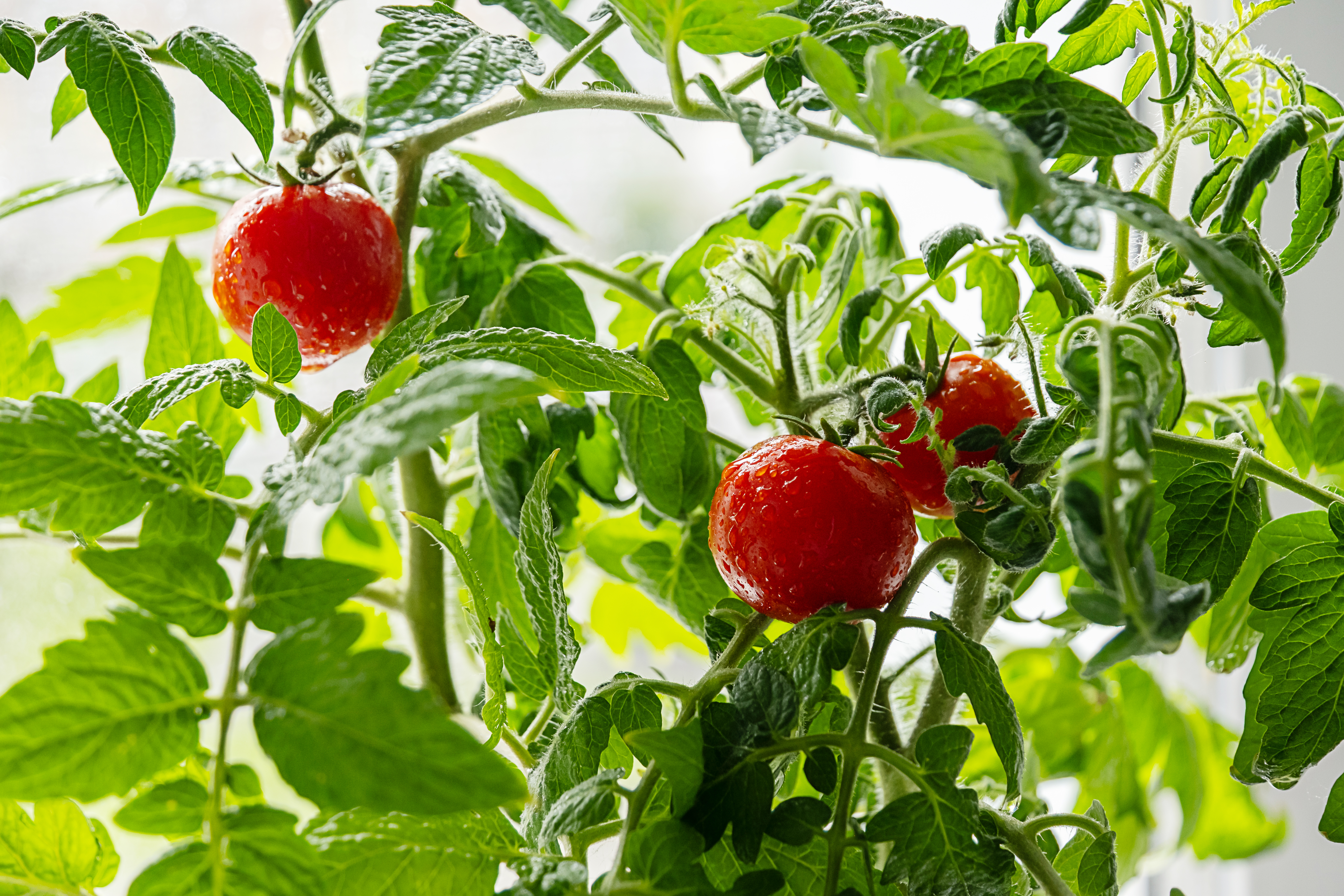
Photo of a farm

Farms:
Creating a Healthy Cultivation Environment

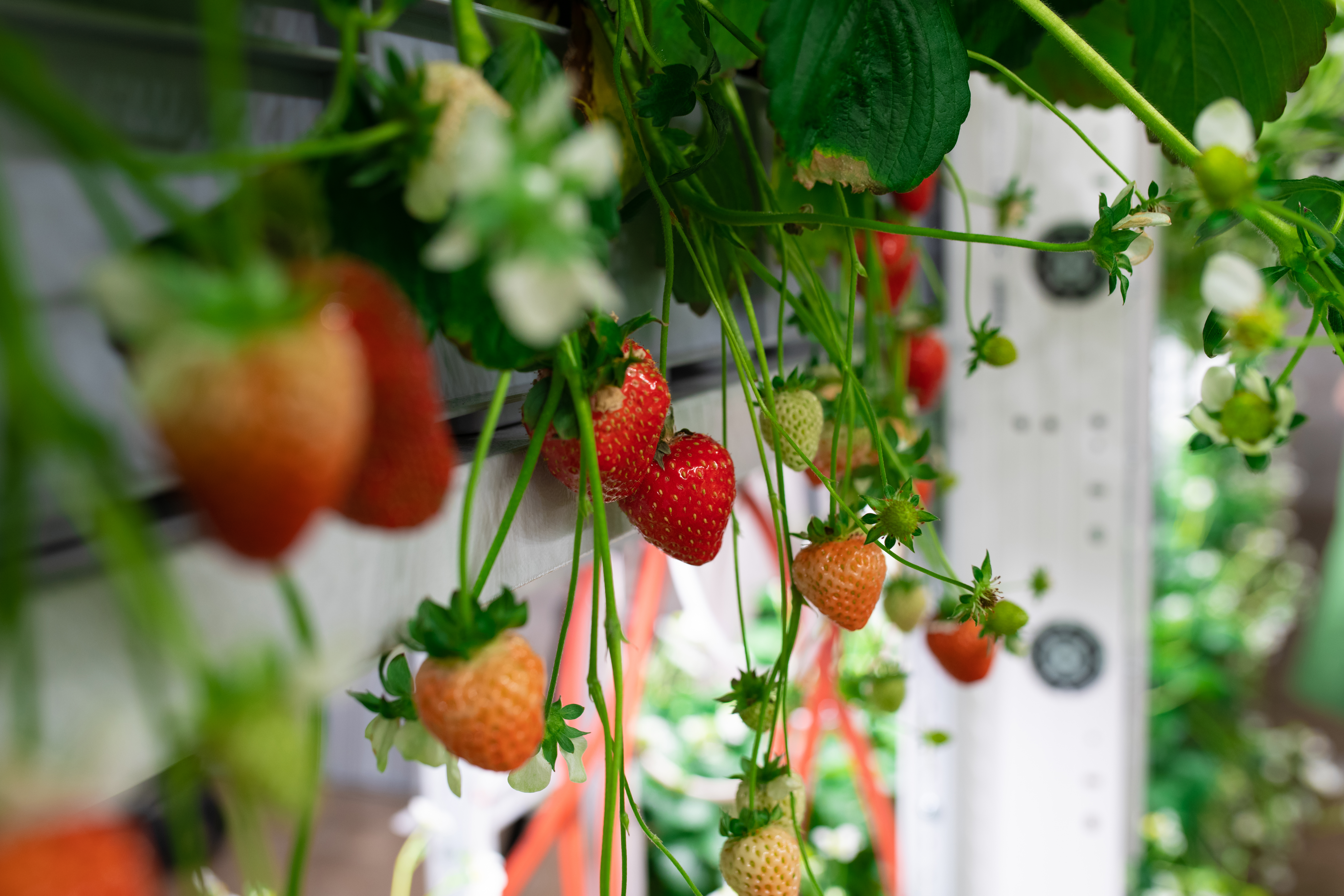
Photo of a plant factory

Plant Factories:
Growth Support & Solution Quality Maintenance

Photo of post-harvest produce

Post-Harvest:
Maintaining Freshness After Harvest


Photo of livestock

Livestock:
Environment Cleansing

Cavitation plasma treated water was created through
the unique technology developed by the University of Hyogo

Cavitation Plasma Technology
Water Vapor Microbubbles & High-Speed Discharge 600,000 times/sec

Cavitation plasma is a new underwater plasma generation method that utilizes cavitation bubbles, achieving over 100 times higher processing efficiency than conventional technologies. By using the depressurization boiling phenomenon called cavitation, high-voltage pulses are applied 600,000 times per second within a water stream containing a large number of water vapor microbubbles, generating plasma with high efficiency. By exposing regular water to this underwater plasma for a certain period, cavitation plasma treated water is created.

Cavitation Plasma Technology
Water Vapor Microbubbles & High-Speed Discharge 600,000 times/sec

Cavitation plasma is a new underwater plasma generation method that utilizes cavitation bubbles, achieving over 100 times higher processing efficiency than conventional technologies. By using the depressurization boiling phenomenon called cavitation, high-voltage pulses are applied 600,000 times per second within a water stream containing a large number of water vapor microbubbles, generating plasma with high efficiency. By exposing regular water to this underwater plasma for a certain period, cavitation plasma treated water is created.

Cavitation Plasma Generator

Photo of the cavitation plasma device
Types of Cavitation Plasma Treated Water

Cavitation Plasma Treated Water
Reactive Oxygen Type & Metal Ion Type

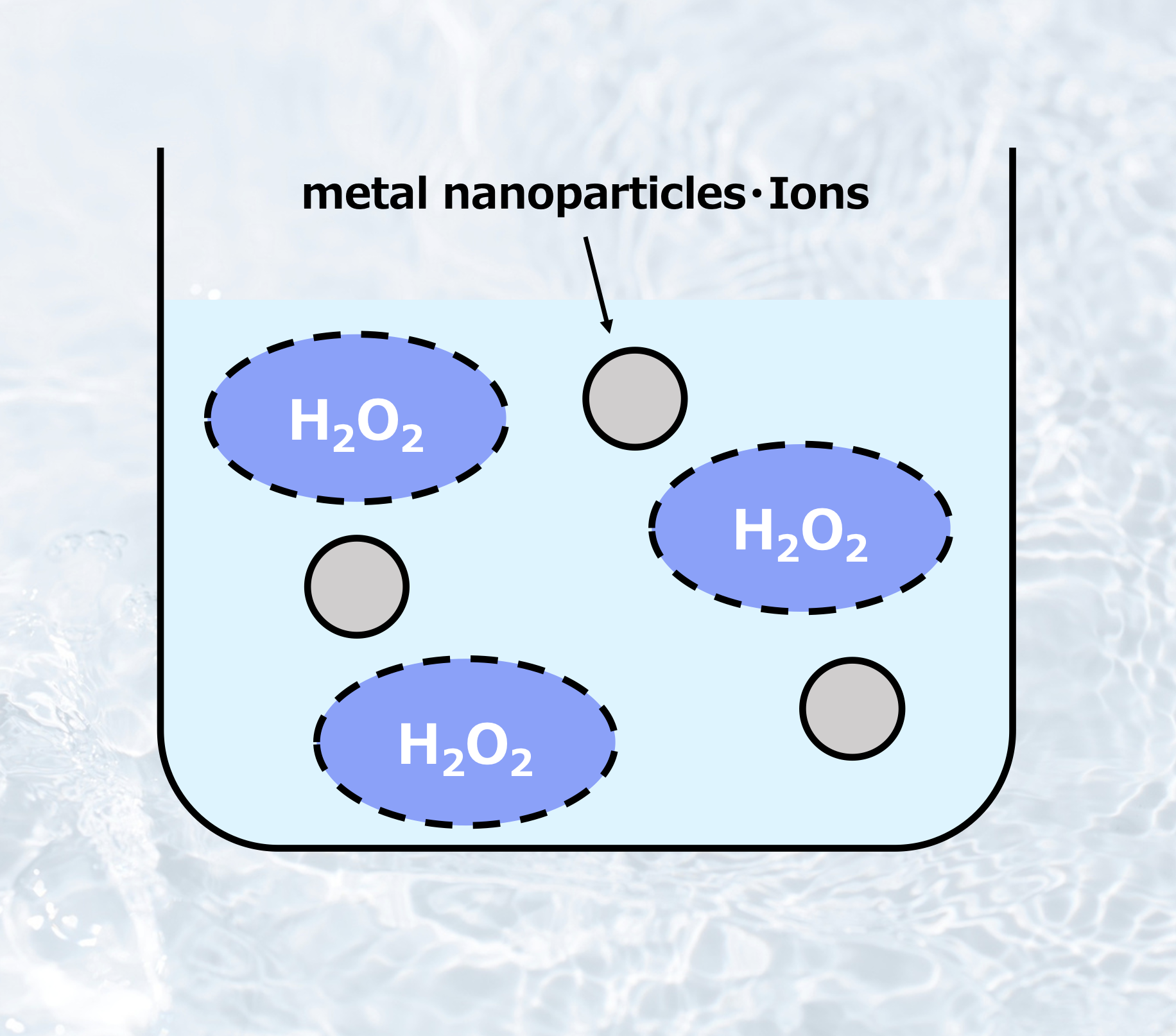
Cavitation plasma treated water is 99.9% water, with trace amounts of 0.1% hydrogen peroxide and electrode-derived nanoparticles. Depending on the electrode material, there are two types of treated water: the reactive oxygen (W) type and the metal ion (Ag) type. Especially the metal ion type is suggested by previous research to support a healthy cultivation environment for crops.

Cavitation Plasma Treated Water
Reactive Oxygen Type & Metal Ion Type

Cavitation plasma treated water is 99.9% water, with trace amounts of 0.1% hydrogen peroxide and electrode-derived nanoparticles. Depending on the electrode material, there are two types of treated water: the reactive oxygen (W) type and the metal ion (Ag) type. Especially the metal ion type is suggested by previous research to support a healthy cultivation environment for crops.

Types of Cavitation Plasma Treated Water

Safe and Natural as it is Made from Water

"Acute Oral Toxicity Study in Rats : LD50 > 5000 mg/kg" "Ames Test : Negative"

Our Business

Our Business

Sustainable Agriculture Solution

Development and Sales of Cavitation Plasma Treated Water and Generators

By applying our unique underwater plasma treatment to regular water, we generate next-generation agricultural material. Cavitation plasma treated water supports the maintenance of a healthy cultivation environment for crops.

Company

Company Name YSH Research Institute CO., Ltd.
Representative Yoshihiro Oka, CEO
Established March 2025
Location Himeji City, Hyogo Prefecture

Member

代表取締役CEO 岡 好浩の写真
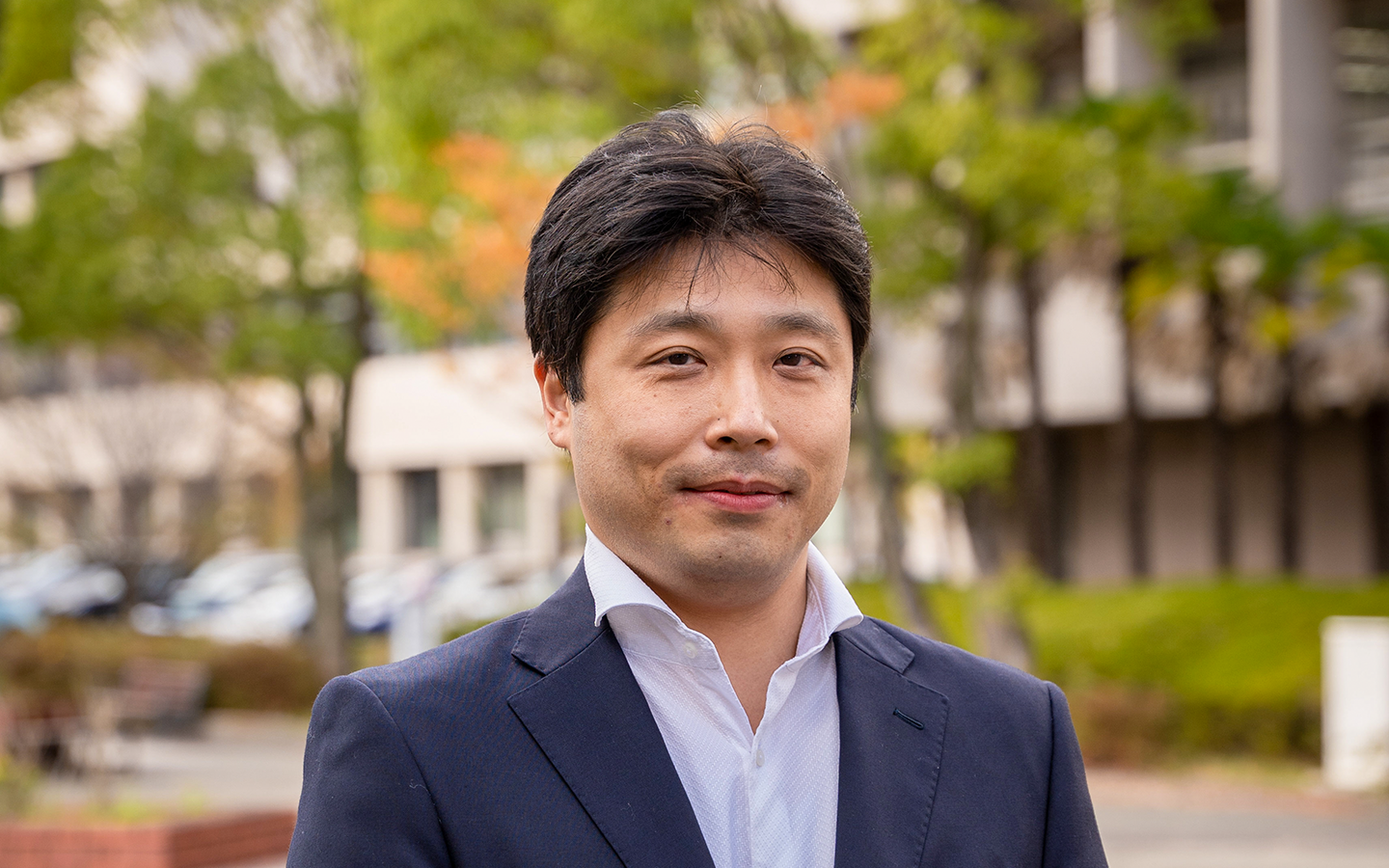
Founder, President & CEO Yoshihiro Oka

Associate Professor, Graduate School of Engineering, Hyogo Prefectural University; Ph.D. (Engineering). Born in Hyogo Prefecture. Spent five years developing cutting-edge interlayer insulation film technology at a major semiconductor manufacturer. Leveraging this industrial experience, he served as an Assistant Professor at Hyogo Prefectural University Graduate School before assuming his current position. His specialty is plasma application engineering. As a developer of cavitation plasma technology—a type of underwater plasma—he is promoting the societal implementation of sustainable sterilized water as an alternative to chemical pesticides.

COO 鳥谷眞澄の写真
COO Masumi Toritani

He has held positions in manufacturing, engineering, production technology, and planning departments at a major food manufacturer. He joined YSH Research Institute in 2025.

                            Background image        


Contact


Would you like to join us in solving the challenges
of sustainable agriculture?


YSH Research Institute is looking for solution partners to work with us to achieve sustainable agriculture.
We welcome contact from interested companies and sole proprietors.

                Contact